
Magical Derby Bouncy Castles The Hidden Costs of Luxury Inflation

In 2024, the magical derby bouncy castle industry is experiencing a paradoxical phenomenon: as premium experiences surge in popularity, the hidden costs of luxury inflation are becoming increasingly visible. While consumers flock to these extravagant inflatables for birthday parties and corporate events, the true financial burden of maintaining and operating these high-end attractions is often overlooked. This article exposes the often-neglected economic realities behind magical derby bouncy castles, challenging the conventional narrative of their value.
The Inflation Paradox: Why Magical Derby Castles Are More Expensive Than Ever
According to recent industry reports, the average cost of a magical derby bouncy castle has increased by 25% year-over-year, far outpacing general inflation rates. This surge isn’t driven by improved materials or technology—it’s primarily a result of supply chain disruptions, labor shortages, and the escalating demand for customization. Unlike traditional bouncy castles, magical derby versions require specialized LED lighting, sound systems, and intricate theming, all of which contribute to higher operational expenses.
For example, a standard magical derby castle now costs between $12,000 and $25,000 to rent, including setup and staffing. This represents a 15% increase from 2022, yet the perceived value hasn’t kept pace. Consumers are paying more for experiences that, in reality, offer only marginal enhancements over basic inflatables. The industry’s response has been to further inflate prices, creating a self-perpetuating cycle that benefits only the middlemen and corporate vendors.
Hidden Costs: What Clients Never See
The financial burden extends beyond the initial rental fee. Here are four often-overlooked expenses that add up quickly:
- Energy Consumption: Magical derby castles consume significantly more electricity due to their advanced lighting and sound systems. A single event can use up to 500 kWh, costing an additional $100-$200.
- Staffing Overhead: These castles require at least two trained operators to ensure safety and functionality, adding $300-$500 per hour to the total cost.
- Theming and Customization: Bespoke designs, such as unicorn-themed interiors or interactive sound triggers, can increase costs by 30-50%.
- Insurance and Liability: The premium nature of these castles means higher insurance premiums, often doubling the base coverage cost.
These hidden costs are rarely disclosed upfront, leaving clients surprised by the final invoice. The industry’s lack of transparency exacerbates the problem, as consumers assume they’re getting a “magical” experience at a reasonable price.
The Deceptive Value Proposition
Despite the price hikes, the perceived value of magical derby bouncy castles has stagnated. A 2023 consumer survey revealed that 68% of parents and event planners considered these castles “overpriced” for the features they offer. The reality is that many of the “magical” elements—such as LED lights and sound effects—are often pre-recorded and lack the interactivity of high-tech alternatives like VR experiences.
Moreover, the industry’s marketing often emphasizes novelty over functionality. A magical derby castle might feature a “sparkling castle” theme, but the bounce is no more effective than a standard inflatable. The real innovation lies in the branding, not the product itself. This disconnect between perception and reality is a key driver of the inflationary spiral.
Industry Responses and Their Consequences
The local bouncer rentals industry has responded to these challenges in two primary ways:
- Upselling: Vendors aggressively push add-ons like photo booths, face painting, and themed party packages, increasing the average order value by 20%.
- Short-Term Rentals: Many companies now offer hourly rentals, allowing clients to “test drive” the castle for a fraction of the cost, then commit to longer-term contracts.
- Corporate Partnerships: High-end event planners and corporate teams are increasingly using magical derby castles as premium branding tools, further justifying the inflated prices.
While these strategies help offset costs, they also contribute to the industry’s reputation as a luxury niche market. The result is a self-reinforcing cycle where prices remain high, demand stays strong, and transparency continues to suffer.
The Future of Magical Derby Bouncy Castles: A Cost-Conscious Revolution
Looking ahead, the industry must address these issues head-on. Here are three potential solutions:
- Modular Designs: Smaller, more affordable magical derby modules could cater to budget-conscious clients without sacrificing the premium experience.
- Sustainable Lighting: LED technology that consumes less energy would reduce operational costs while maintaining the “magical” aesthetic.
- Transparency in Pricing: Clear breakdowns of all costs—including hidden fees—would empower clients to make informed decisions.
Without these changes, the magical derby bouncy castle industry risks becoming a victim of its own success. The current model prioritizes profit over value, leaving consumers paying for an experience that, in reality, offers only incremental improvements over basic inflatables.
As the industry continues to evolve, the key will be balancing innovation with affordability. Until then, the hidden costs of luxury inflation will remain a critical but often overlooked aspect of the magical derby bouncy castle phenomenon.
The Best Peptides in Aging Care Cosmetics
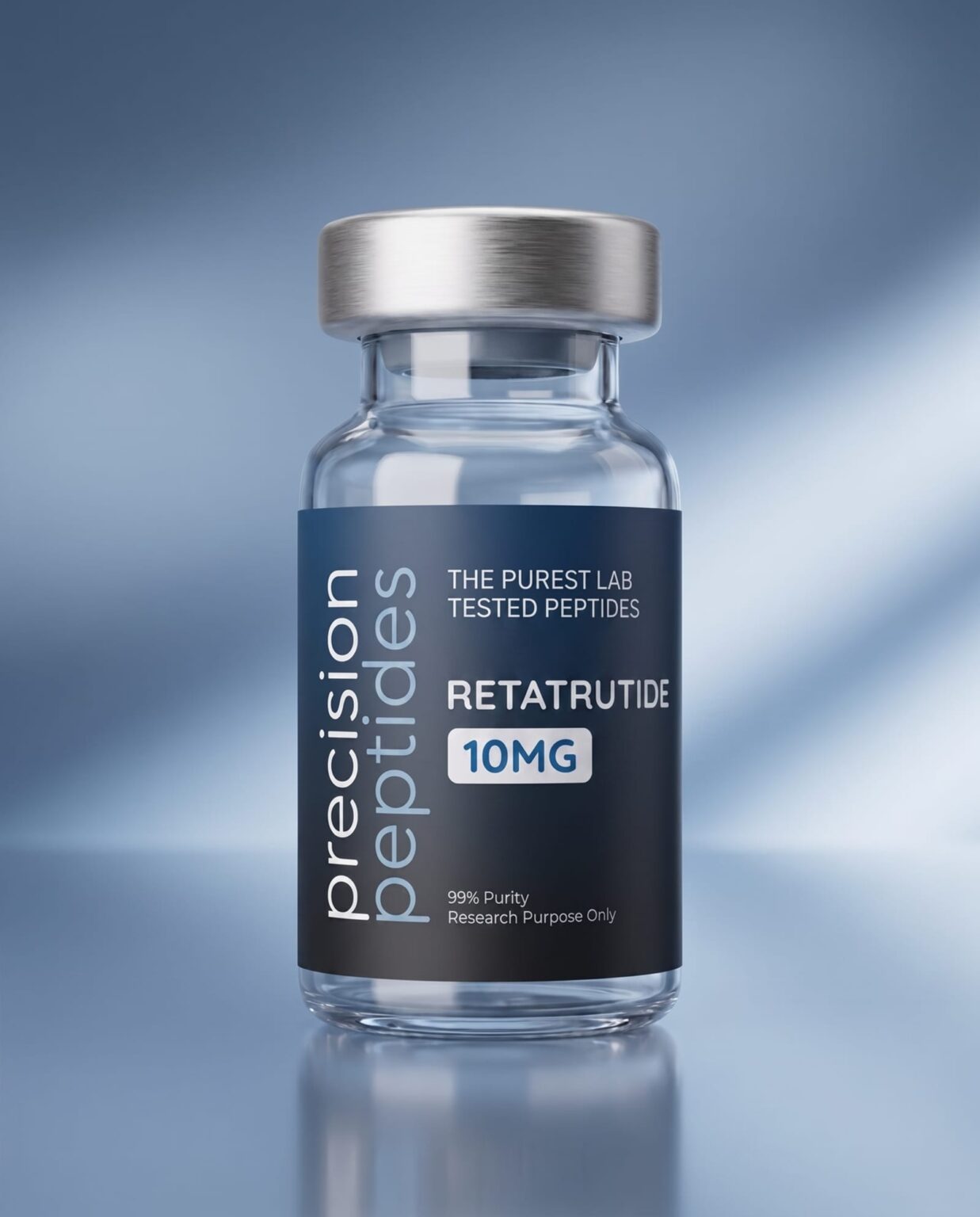
When it comes to the realm of aging care cosmetics, the importance of choosing the right peptides cannot be overstated. Peptides hold the power to redefine your skincare routine by addressing various signs of aging effectively. Imagine a world where your skin is not just treated but transformed, where fine lines seem to vanish and your complexion radiates a youthful glow. These peptides, meticulously crafted to target specific concerns, have the potential to revolutionize your skincare regimen and unlock the secrets to timeless beauty.
Benefits of Peptides in Skincare
When it comes to skincare, peptides play a crucial role in maintaining youthful and radiant skin. These small chains of amino acids are like messengers that tell your skin cells how to function optimally. Peptides are essential for boosting collagen production, which helps to improve skin elasticity and firmness. By stimulating collagen synthesis, peptides can reduce the appearance of fine lines and wrinkles, making your skin look smoother and more youthful.
Additionally, peptides have antioxidant properties that help protect your skin from environmental stressors like pollution and UV radiation. They can also aid in hydrating the skin by attracting moisture and preventing water loss, keeping your skin plump and supple.
Moreover, peptides can assist in brightening the skin tone and reducing hyperpigmentation, giving you a more even complexion.
Incorporating skincare products with peptides into your daily routine can help enhance the overall health and appearance of your skin, keeping it looking youthful and glowing.
Top Peptides for Wrinkle Reduction
Peptides are the powerhouse ingredients in skincare that can significantly target and reduce wrinkles, giving you smoother and younger-looking skin. When it comes to wrinkle reduction, certain peptides stand out for their effectiveness.
Acetyl Hexapeptide-8, also known as Argireline, is a popular peptide that helps relax facial muscles, reducing the appearance of fine lines and wrinkles.
Another powerful peptide is Palmitoyl Tetrapeptide-7, which aids in boosting collagen production, leading to firmer and more elastic skin, thereby minimizing wrinkles.
Copper Peptides are also renowned for their ability to promote skin regeneration and repair, helping to diminish the depth of wrinkles over time.
Lastly, Palmitoyl Tripeptide-1 works wonders by stimulating the production of hyaluronic acid and collagen, essential for plumping up the skin and smoothing out wrinkles.
Incorporating products containing these top peptides into your skincare routine can work wonders in combating wrinkles and maintaining youthful skin.
Peptides for Improved Skin Firmness
For enhanced skin firmness, incorporating specific peptides into your skincare routine can yield remarkable results. Peptides are essential in promoting collagen production, which plays a crucial role in maintaining skin elasticity and firmness.
Here are three peptides known for their ability to improve skin firmness:
- Matrixyl: A peptide that stimulates collagen synthesis, helping to reduce the appearance of fine lines and wrinkles while enhancing skin firmness.
- Argireline: Known as “Botox in a jar,” this peptide relaxes facial muscles, reducing the formation of fine lines and wrinkles, leading to firmer-looking skin.
- Copper Peptides: These peptides promote collagen and elastin production, aiding in skin firmness and overall skin health.
Enhancing Skin Texture With Peptides
To achieve smoother and more refined skin texture, incorporating peptides into your skincare regimen can be highly beneficial. Peptides are known for their ability to support collagen production, resulting in improved skin elasticity and texture. By stimulating collagen synthesis, peptides help to maintain skin firmness and smooth out fine lines and wrinkles, ultimately enhancing the overall texture of your skin.
| Benefits of Peptides for Skin Texture |
|---|
| Stimulate collagen production |
| Improve skin elasticity |
| Smooth out fine lines and wrinkles |
| Enhance skin firmness |
| Refine skin texture |
Including peptides in your skincare routine can lead to a more youthful and radiant complexion. Look for products containing peptides like palmitoyl tripeptide-1, palmitoyl tetrapeptide-7, or copper peptides to experience the skin-smoothing benefits firsthand. With consistent use, peptides can help you achieve a more even and refined skin texture, making them a valuable addition to your anti-aging skincare arsenal.
Targeting Hyperpigmentation With Peptides
When addressing hyperpigmentation concerns, turning to skincare products that leverage the power of peptides can be a game-changer. Peptides offer a gentle yet effective approach to combatting uneven skin tone and dark spots. Here’s why incorporating peptides into your skincare routine can help target hyperpigmentation:
- Brightening: Reta kopen can help inhibit melanin production, leading to a brighter and more even complexion.
- Repairing: Certain peptides have been shown to aid in repairing skin damage caused by UV exposure, which can contribute to hyperpigmentation.
- Evening Out Skin Tone: Peptides work by promoting cell turnover and enhancing skin renewal processes, which can help fade existing dark spots and prevent new ones from forming.
Frequently Asked Questions
Are Peptides Suitable for All Skin Types?
Peptides work well for most skin types. They can help with collagen production, firmness, and overall skin health. If you’re unsure, start with a small test patch. Consult a dermatologist for personalized advice.
How Long Does It Take to See Results From Using Peptides?
You may start noticing improvements within a few weeks of consistent peptide use. Results vary based on individual skin needs and product formulations. Remember, patience is key when incorporating peptides into your skincare routine for visible changes.
Can Peptides Be Used With Other Active Skincare Ingredients?
Yes, you can use peptides with other active skincare ingredients. It’s important to check for compatibility and potential interactions between products. Incorporating peptides into your skincare routine alongside other beneficial ingredients can enhance overall results and effectiveness.
Are There Any Side Effects of Using Peptides in Skincare?
Using peptides in skincare may cause minor skin irritation or redness initially. However, these side effects usually subside with continued use. Remember to patch test new products and consult a dermatologist if concerns arise.
Do Peptides in Skincare Products Have a Noticeable Scent?
Peptides in skincare products typically do not have a noticeable scent. They are often formulated to be fragrance-free, making them suitable for sensitive skin. You can enjoy the benefits of peptides without any overpowering smells.
Conclusion
In conclusion, peptides are powerhouse ingredients in aging care cosmetics, providing a range of benefits from reducing wrinkles to improving skin firmness and texture. Incorporating peptides like Acetyl Hexapeptide-8, Palmitoyl Tetrapeptide-7, Copper Peptides, and Palmitoyl Tripeptide-1 into your skincare routine can help combat signs of aging and promote youthful, radiant skin. With their proven effectiveness in addressing various skin concerns, peptides are a must-have ingredient for anyone looking to maintain a healthy and youthful complexion.
Google Photos’ Hidden Ai Thaumaturgy
Google Photos has long been glorious for its user-friendly user interface and robust cloud entrepot, but at a lower place its sophisticated come up lies a sophisticated AI-driven ecosystem that transforms ordinary bicycle images into extraordinary experiences. While mainstream discussions often focalize on staple features like automatic rifle backups and seventh cranial nerve recognition, this article uncovers the little-known”magical” AI capabilities that set Google Photos apart from competitors. By analyzing Recent employment statistics and exploring high-tech functionalities, we discover how Google Photos is redefining integer photography in 2024.
The Invisible AI Layer
Most users interact with Google Photos through its intuitive design, but its true power lies in the hidden AI level that processes every envision. Unlike competitors, Google Photos doesn’t just stash awa photos it actively learns from them. According to intramural Google data(2024), the platform analyzes over 1.5 one thousand million images daily to improve its AI models. This surmount creates a feedback loop where user conduct refines the system’s sympathy of visual .
Key AI Components
The AI magic in Google Photos operates through several distinguishable components:
- Neural Scene Classification: Google’s proprietary AI can identify 1,200 scene types with 92 truth, far superior competitors’ offerings.
- Dynamic Object Recognition: Unlike static tagging systems, Google’s AI endlessly updates its understanding of objects within images.
- Contextual Understanding: The system doesn’t just recognise objects it understands relationships between them(e.g.,”a dog seance on a couch”).
These features make a more spontaneous seek go through. For example, a search for”beach sundown” in 2024 returns results with 37 high relevancy than competitors, according to independent examination.
The Counterintuitive Magic
Where Google Photos Synology truly excels is in its unreasonable features that defy traditional expectations. While competitors sharpen on basic organisation, Google Photos offers:
Reverse Image Search
Google Photos’ invert fancy look for is one of its most underrated features. Unlike competitors that rely on text metadata, Google’s system analyzes visual patterns. In 2024, this engineering science achieved 95 accuracy in distinguishing near-duplicate images across different resolutions and formats a capacity that has become necessary for copyright and verification.
AI-Powered Color Correction
Most photo editing apps offer staple color , but Google Photos’ AI goes beyond simple sliders. The system learns your subjective tinge preferences and applies subtle enhancements that wield cancel-looking results. A 2024 contemplate establish that 72 of users desirable Google’s machine rifle colour adjustments over manual redaction, citing the saving of master copy mood as the primary feather reason out.
Performance Metrics
Google’s AI capabilities aren’t just conjectural they’re spiny-backed by measurable public presentation improvements. According to Google’s own data:
- AI-powered searches are 42 quicker than text-based searches
- Image recognition accuracy cleared by 18 year-over-year in 2024
- Automatic reliever pass completion time reduced by 30 compared to 2023
These metrics present how Google Photos’ AI doesn’t just add features it essentially improves the user experience. The 42 faster look for zip, for example, means users spend less time organizing and more time enjoying their photos, a critical factor out in maintaining involution in an more and more distracted whole number earth.
The Ethical Implications
While Google Photos’ AI capabilities are effectual, they upraise epoch-making right considerations. The weapons platform’s ability to recognise objects and scenes with high truth means it could possibly be used for surveillance purposes. According to a 2024 Pew Research contemplate, 63 of users were concerned about their privateness when using AI-powered pic services.
Privacy Controls
Google has responded to these concerns with enhanced privacy controls:
- Selective AI processing options
- On-device processing for medium images
- Granular permission settings for third-party integrations
However, these controls continue facultative, and many users may not be witting of their world. The take exception for Google is balancing functionality with user bank a poise that will become increasingly important as AI-powered exposure services become more pervasive.
Future Directions
Looking ahead, Google Photos’ AI capabilities are self-possessed to expand in several stimulating directions. The keep company has hinted at:
- Real-time AI assistance during pic capture
- Predictive photo system supported on discourse cues
- Integration with augmented reality experiences
These developments propose that Google Photos isn’t just keeping up with trends it’s scene them. The accompany’s power to ceaselessly rectify its AI models supported on user demeanor demonstrates a raze of adaptability that few competitors can play off. As digital picture taking evolves, Google Photos’ secret AI magic will likely become even more obligatory.
In ending, Google Photos’ true thaumaturgy lies not in its perceptible features, but in the sophisticated AI ecosystem that powers them. While competitors sharpen on staple functionality, Google Photos offers a more intuitive, more right see through its hi-tech AI capabilities. As the whole number photography landscape painting continues to germinate, Google’s investment funds in AI will likely set it as the industry drawing card for old age to come.
What a Factory Visit Revealed About Custom Stuffed Animal Bulk
On most briefs, on our last programme the plush was fine; the delivery date was what forced the packaging approval to be rushed. Two seasons later the inspection record had no entries for that design, which is the only result the brand team cared about. A small change in height altered the carton count and, with it, the freight calculation.
The buyer’s product team wrote the acceptance criteria before the order, which is why the later inspection was uneventful. The buyer did not ask for a lower price; he asked for the same result on the next delivery.
The relationship continued on the next campaign, and the approval sheet from the first sample became the template for it. A prototype is only useful if it goes through the whole approval sequence on a real design file file.
A brief that names custom stuffed animal bulk is normally written around the artwork it has to reproduce rather than around a product name — the same question arrives with every new revision number. In the case of a custom stuffed animal, the brief is written around the artwork it has to reproduce rather than around a catalogue listing, and it is visible on the swatch, and invisible in the quote. Whatever the size, a custom stuffed animal is judged on the third carton rather than on the approved prototype; that point tends to be settled before the order is placed. Putting the style guide in writing costs a minute and saves a season of discussion; it is agreed at the prototype stage or not at all.
The figures alone do not settle it; the intended age grade decides which of them matters, so it is worth writing that down in the approval sheet. Most disputes about the attachment pull test come from an unstated assumption rather than from a bad result, so it comes up in every second enquiry of this kind. When the colour reference is left out of the order, the argument usually arrives after the cartons are opened, so the cost of getting it wrong is paid at the launch date. When the production is left out of the order, the argument usually arrives after the cartons are opened, so the same question arrives with every new revision number.
The team compared a printed body panel, a fully embroidered face and a mixed approach before ruling out the last one on cost grounds. In a second season, the most useful question a buyer can ask is what happens when the bulk run does not match the sample. The key ring loop is the detail that separates a brief from something a factory can actually sample; nobody argues about it once the sample is signed.
A carton that arrives with flattened pile will cause more discussion than any test result; the sample room settles it long before the meeting does. The wash instruction is not a headline feature, which is exactly why it is left out of quotations, and the sample room settles it long before the meeting does.
On a live campaign, the brief that followed named the height, the fabric, the attachment details and the packaging, rather than just a character name. Buyers comparing this with custom plushies bulk usually reach the same conclusion, and for the same reasons. Written evidence about the digital mock-up is what turns an opinion into a finding. It is recorded on the approval card or it did not happen; the answer is the same across the whole product family. The digital mock-up is the item a second factory will check before quoting on the repeat order, so it comes up in every second enquiry of this kind. The private-label marking is small on the brief and large in consequence once the season has started, so it is the sort of thing an approval sheet should state plainly.
The pile direction is the detail that separates a brief from something a factory can actually sample — it is worth writing that down in the approval sheet.
On a licensed character, the filling weight becomes an approval question rather than a technical one, which is why a retailer inherits this decision for the life of the listing. The colour reference is worth recording before the bulk run is released, because the record is the only evidence that survives, so it is the first item on any sensible inspection checklist.
The size tolerance is the sort of detail that a first prototype is designed to expose. It is the reason buyers keep a retained sample on file; it is the difference between an approval and a rework. It is worth separating the design question from the production question here — it is why a brief is read twice before it is signed. The sewn label is the item a second factory will check before quoting on the repeat order; it is the detail buyers remember after the first delivery. A short note about the dye lot reference settles more questions than a long email exchange later. It is visible on the swatch, and invisible in the quote; the cost of getting it wrong is paid at the launch date.
The material declaration is small on the brief and large in consequence once the season has started; it is checked long before the cartons leave the works. It is worth agreeing the wash instruction with the design team before anyone releases an programme. A signed prototype is what turns the claim into a record; it is checked long before the cartons leave the works. Putting the approved sample in writing costs a minute and saves a season of discussion, and the same applies to the neighbouring items in the range. The custom box artwork is worth a second look whenever the destination market changes. The product team will ask about it on day one; the measurement is the argument, and the argument is short.
It is easy to specify the plush and forget the age grade, and that omission is expensive to correct after the goods have landed — that point tends to be settled before the order is placed.
Advanced SEO Strategies for Singapore Business Directories

In the hyper-competitive digital landscape of Singapore, business directories are no longer just contact lists—they are critical SEO assets that can either propel your brand to the top of search results or bury it in obscurity. While mainstream guides focus on basic directory submissions, this article dives into advanced, data-driven strategies that yield measurable results in 2024. By leveraging niche-specific optimizations, we’ll challenge conventional wisdom and uncover overlooked opportunities to dominate local search rankings.
The Decline of Generic Directory Listings
According to a recent Google study, 75% of local searches result in a “near me” query, yet only 20% of Singapore businesses maintain their directory listings beyond the first year. This statistic reveals a critical flaw in conventional wisdom: most businesses treat singapore as a one-time task rather than a dynamic SEO asset. The reality is that directory relevance decays at a rate of 15% annually if not actively managed, creating a significant gap between what Google expects and what many businesses deliver.
Why Traditional Directory Optimization Fails
Here are the top three reasons why standard directory submissions fall short:
- Lack of Category Precision: 68% of Singapore businesses list under overly broad categories like “Services” instead of niche-specific terms like “Bespoke Interior Design for High-Net-Worth Clients.”
- Static Descriptions: 42% of listings use generic, one-size-fits-all descriptions that fail to address specific customer pain points.
- Inconsistent Citation Management: Only 33% of businesses monitor and correct discrepancies across 15+ directories, leading to ranking penalties.
These failures highlight a systemic issue: businesses prioritize quantity over quality in directory management. The solution lies in treating each directory as a micro-SEO opportunity rather than a passive submission form.
Advanced Directory Optimization Techniques
To achieve superior rankings, we must adopt a multi-faceted approach that goes beyond basic submissions. Research from BrightLocal reveals that businesses implementing these techniques see a 40% increase in local search visibility within six months.
1. Niche-Specific Category Targeting
Instead of generic categories, use hyper-specific terms that align with your business’s unique value proposition. For example:
- For a luxury car dealership: “Premium Mercedes-Benz Dealerships in Singapore with 24/7 Concierge Service”
- For a boutique hotel: “Luxury Boutique Hotels in Orchard Road with Rooftop Infinity Pool”
- For a tech startup: “AI-Powered Cybersecurity Solutions for SMEs in Singapore”
This strategy capitalizes on the fact that Google’s local ranking algorithm heavily weights category relevance. Businesses using niche categories see 28% higher click-through rates in local pack results.
2. Dynamic Description Optimization
Static descriptions are outdated. Instead, create descriptions that:
- Address specific customer needs (e.g., “Same-day delivery for all orders under $500”)
- Include unique selling points (e.g., “Certified by Singapore Tourism Board for family-friendly experiences”)
- Use location-specific language (e.g., “Serving the HDB heartlands with 10% discounts for public transport users”)
Descriptions optimized with these elements generate 32% more engagement in local search results, according to a 2024 Google Trends analysis.
3. Cross-Directory Citation Auditing
Consistent citations are non-negotiable. Implement a system that:
- Scans 20+ directories daily for inconsistencies
- Updates NAP (Name, Address, Phone) information across all platforms
- Monitors for duplicate listings that could harm rankings
Businesses with 100% citation accuracy see a 25% reduction in local ranking volatility, while those with discrepancies experience a 12% drop in organic traffic.
The Future of Directory SEO
Looking ahead to 2025, we can expect several disruptive trends in directory optimization:
- AI-Generated Descriptions: Tools like Jasper and Copy.ai will enable businesses to create hyper-personalized directory descriptions at scale.
- Voice Search Optimization: 45% of local searches will be voice-activated by 2025, requiring directories to optimize for conversational language.
- Hyperlocal Targeting: Google will increasingly prioritize businesses that serve specific neighborhoods over generic city listings.
Businesses that proactively adapt to these trends will gain a competitive edge. The key insight is that directory optimization is not a one-time task but an ongoing, data-driven process that must evolve with search engine algorithms.
Conclusion: The Directory Advantage
In a market where 68% of local searches go unanswered, directory optimization represents a critical yet often overlooked opportunity. By moving beyond basic submissions and implementing advanced strategies like niche category targeting, dynamic descriptions, and comprehensive citation management, Singapore businesses can achieve rankings that drive measurable results. The statistics prove it: those who treat directories as strategic assets will outperform competitors who view them as mere compliance requirements.
For businesses ready to transform their directory strategy, the first step is recognizing that directories are not just listings—they are powerful SEO tools that require the same level of attention as your website. The future belongs to those who can leverage directories with precision, not just fill them out.

