
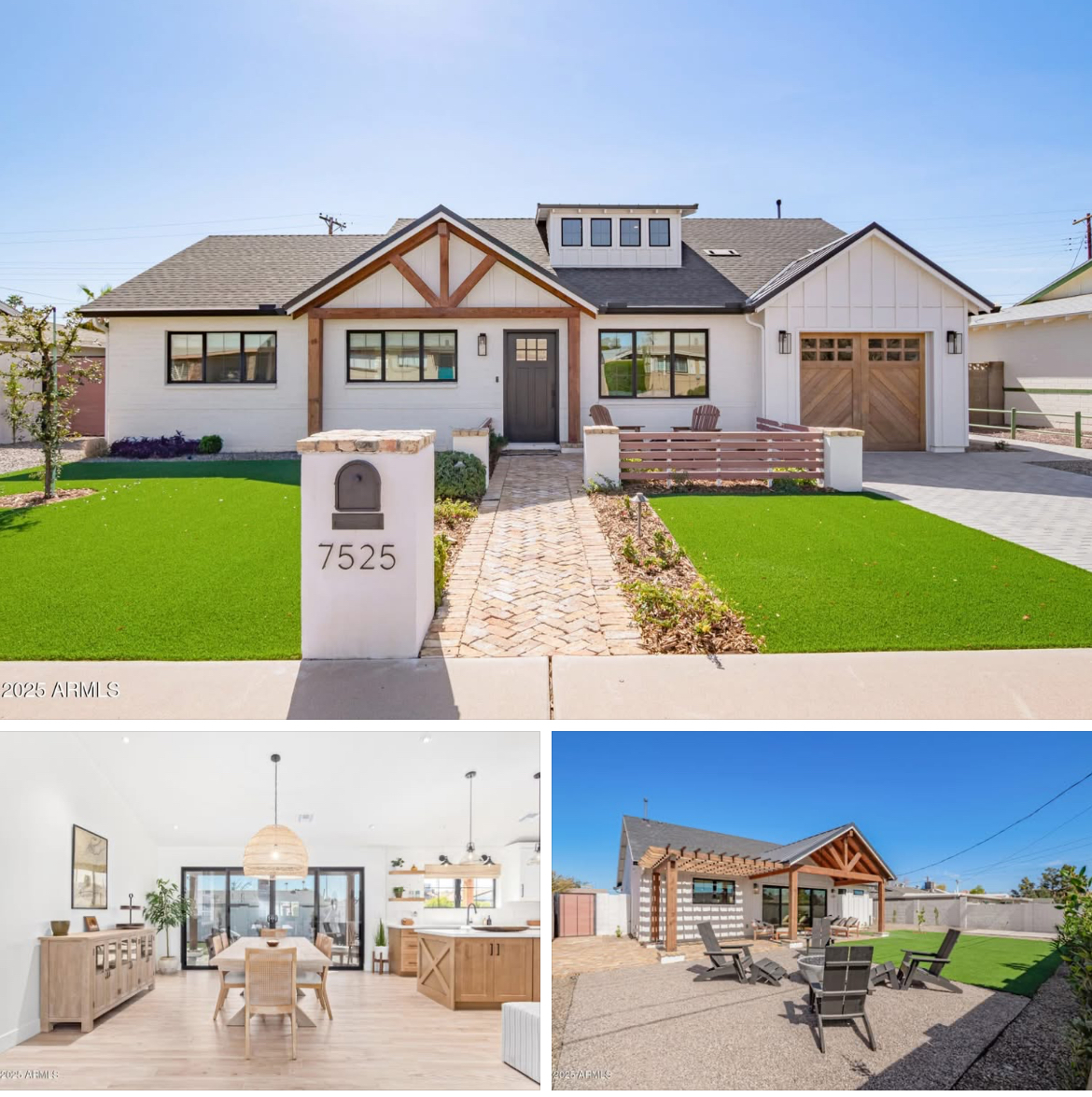
In the rapidly evolving real estate landscape, one segment is often overlooked: gentle real estate. While traditional properties dominate headlines, this niche offers unique opportunities for investors seeking stability and long-term value. According to recent data from the National Association of Realtors (NAR), non-traditional properties—including historic homes, farmland, and small commercial buildings—comprise nearly 15% of all residential transactions, yet they receive less than 5% of mainstream media coverage. This article challenges conventional wisdom by exploring why these assets deserve closer scrutiny.
The Overlooked Asset Class
Gentle Lone Mountain Estates, Cave Creek Az estate refers to properties with unique characteristics that set them apart from conventional listings. These may include:
- Historic homes with architectural significance but outdated interiors
- Farmland with declining agricultural value but potential for alternative uses
- Small commercial buildings in declining urban cores
- Properties with environmental or cultural heritage value
These assets often fall through the cracks of the real estate market due to:
- Lack of standardized marketing approaches
- Complex valuation methodologies
- Regulatory hurdles for certain types of properties
- Perceived risk by institutional investors
Why Traditional Investors Avoid Gentle Real Estate
Despite their potential, gentle real estate faces several barriers. A 2023 survey by the Real Estate Bar found that 68% of institutional investors cited “lack of liquidity” as their primary concern when evaluating non-traditional properties. This perception stems from several factors:
- Higher transaction costs due to specialized legal requirements
- Longer sales cycles requiring patience and expertise
- Potential for unexpected liabilities (e.g., asbestos, lead paint)
- Difficulty in obtaining conventional financing
However, these challenges also present opportunities for savvy investors willing to adapt their strategies. The key lies in understanding the unique value propositions of each property type.
Historic Properties: Beyond Aesthetic Appeal
Historic homes represent a particularly interesting subset of gentle real estate. According to the National Trust for Historic Preservation, there are over 12 million historic properties in the U.S., yet only 2% are actively marketed as such. This creates a significant opportunity gap.
- Historic tax credits can offset renovation costs
- Tourism-driven demand creates stable rental income
- Preservation easements can increase property value
- Cultural heritage attracts niche buyers
Investors who specialize in historic properties often achieve returns that exceed those of conventional single-family homes. A 2023 analysis by the Historic Preservation Institute found that well-preserved historic homes appreciated 8.7% annually, compared to 5.2% for non-historic properties.
Farmland: The Undervalued Commodity
Farmland represents another overlooked segment of gentle real estate. The U.S. Department of Agriculture reports that farmland values have increased by 15% over the past five years, yet most investors focus on urban real estate. This creates a unique investment opportunity.
- Diversification benefits from low correlation with urban markets
- Potential for repurposing into residential or commercial developments
- Government programs offer tax incentives for conservation
- Stable rental income from agricultural tenants
Farmland investors who adapt to changing market conditions can achieve returns that outperform traditional real estate. A 2023 study by the University of Georgia found that farmland portfolios delivered an average annual return of 7.3%, compared to 6.1% for residential real estate.
The Future of Gentle Real Estate
As the real estate market continues to evolve, gentle properties will become increasingly valuable. The NAR predicts that by 2025, non-traditional properties will account for 20% of all residential transactions. This shift requires investors to:
- Develop specialized marketing strategies
- Build expertise in niche property types
- Leverage government incentives
- Adapt to changing regulatory environments
Investors who embrace gentle real estate will find themselves at the forefront of a growing market segment. The key to success lies in recognizing the unique value propositions of these properties and adapting investment strategies accordingly.
In conclusion, gentle real estate represents a hidden opportunity in today’s real estate market. By focusing on historic properties, farmland, and other non-traditional assets, investors can achieve returns that exceed those of conventional real estate. The future belongs to those who understand and capitalize on these overlooked opportunities.

